
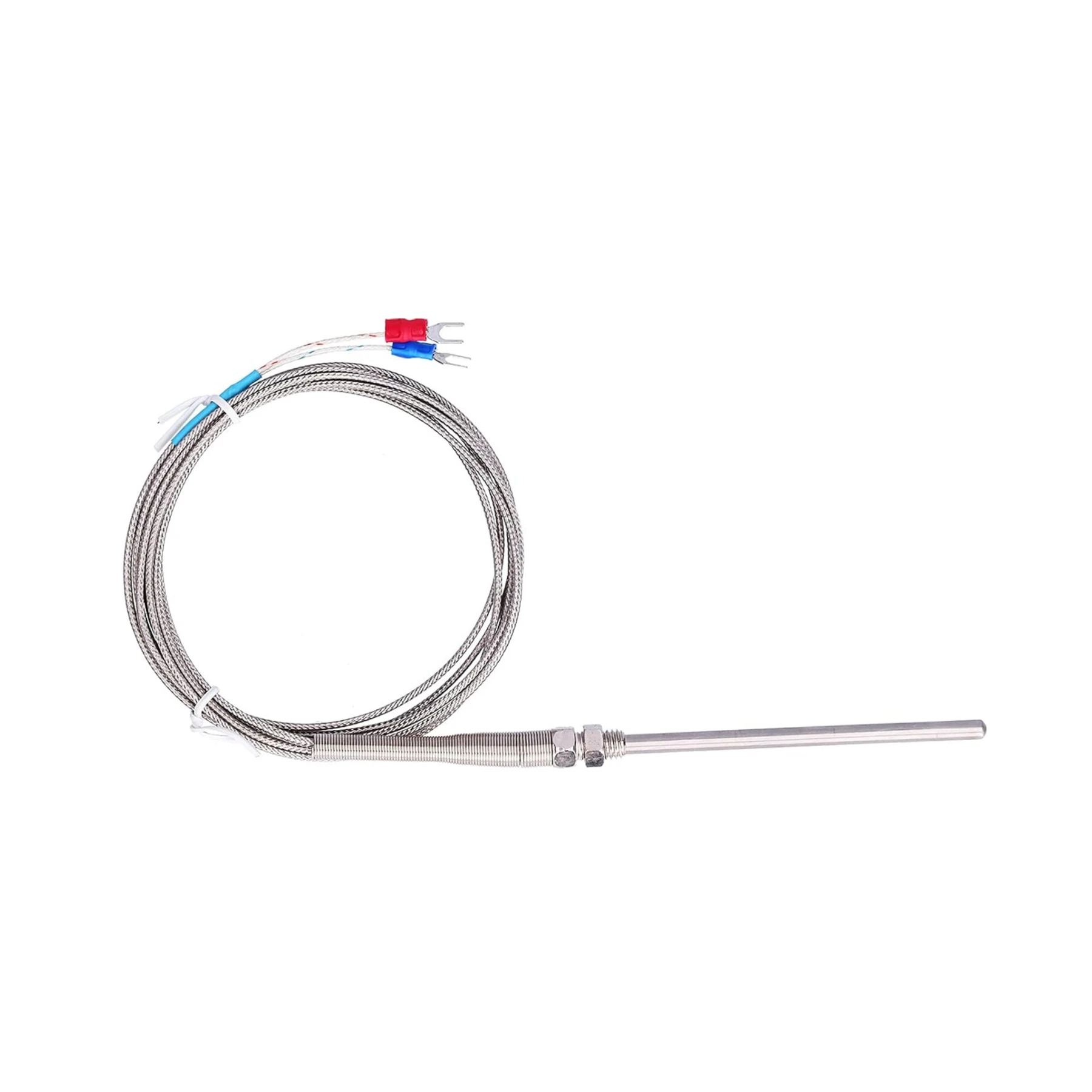
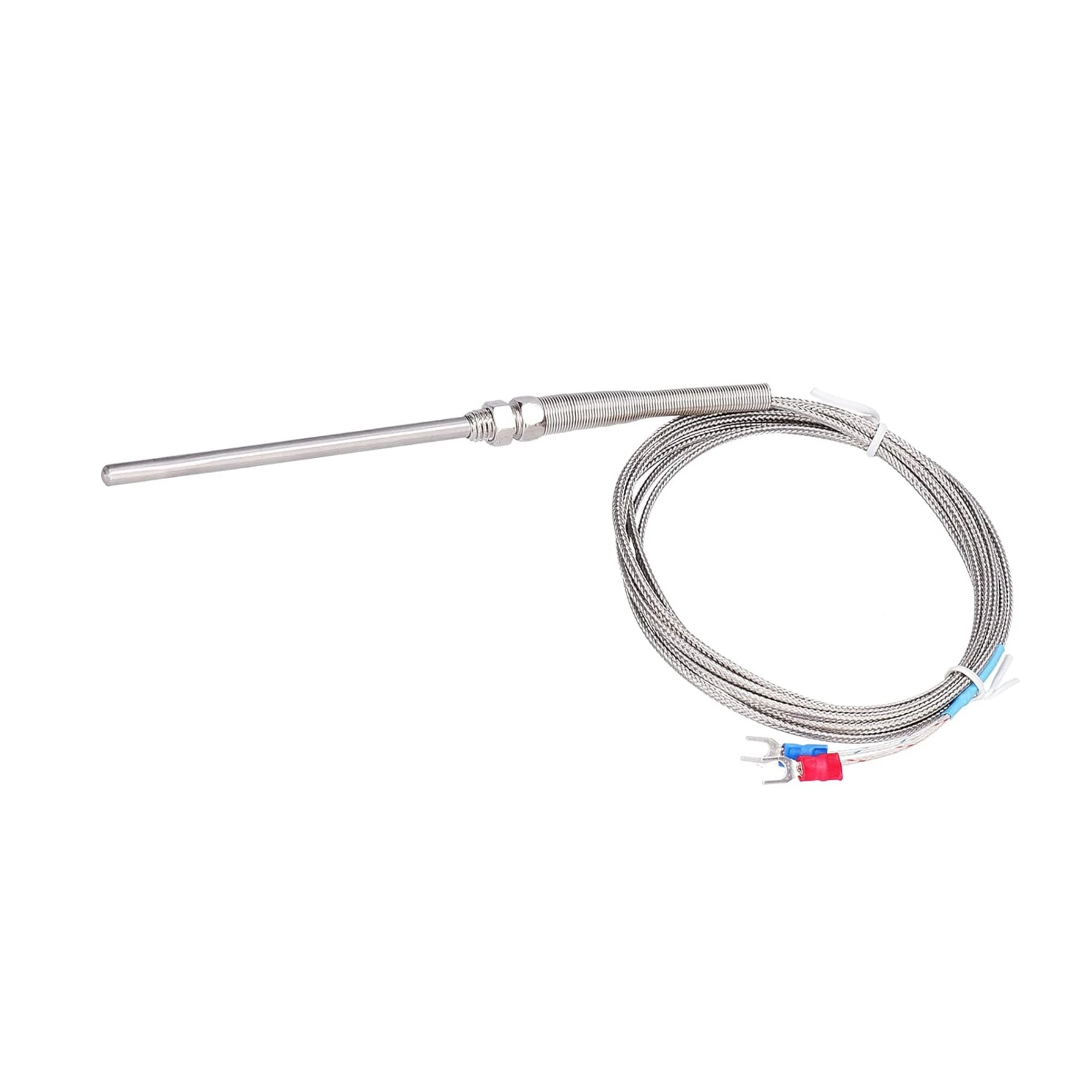
Features
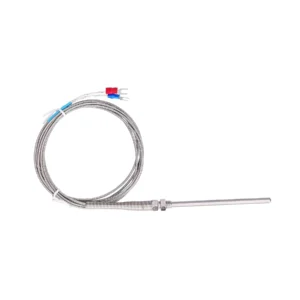
Thermocouple Temperature Sensor Probe Type 187 is available from YOUVSKEY. Review its features, technical details and handling guidance below to check suitability for your application.
- The Type 187 model is engineered for rapid heat detection and long-term stability.
- Another sign to watch for is inconsistent heating cycles.
- If you see an error code on your PID controller, it is often a sign of a broken circuit within the probe.
- While the Type 187 is a specialized component, its impact on your bottom line is significant.
- Furthermore, a high-quality sensor like the Type 187 has a much longer service life than generic alternatives.
- The Type 187 is compatible with a wide range of industrial digital controllers and PLC systems.
- Thermal lag is virtually eliminated with the 187's thin-wall probe design.
- Safety is the final, most important feature of this sensor.
Specifications
| Product | Thermocouple Temperature Sensor Probe Type 187 |
|---|---|
| Brand | PRINTIUM |
| SKU | SP-P6501-020 |
| Product type | Parts & Accessories |
Instructions
- Installing the Thermocouple Temperature Sensor Probe Type 187 is a straightforward process for most technicians. The probe is usually mounted through a pre-drilled port in the dryer's heat chamber. It is important to position the tip so it measures the air temperature closest to the film's path.
- When routing the lead wires, always avoid contact with moving belts or sharp metal edges. Secure the wires with high-temperature ties to prevent them from sagging into the heat zone. A clean and secure installation prevents physical stress on the wires, which is a leading cause of sensor failure.
- Regular maintenance involves a simple visual inspection of the probe tip. Over time, carbon deposits or adhesive residue can build up on the sensor. Gently cleaning the tip with a soft cloth ensures that heat can reach the sensing element without any insulation delay.
Use these product-specific notes together with the supplied equipment manual and product label. Confirm compatibility and perform a small test before production.
Reviews
There are no reviews yet.