
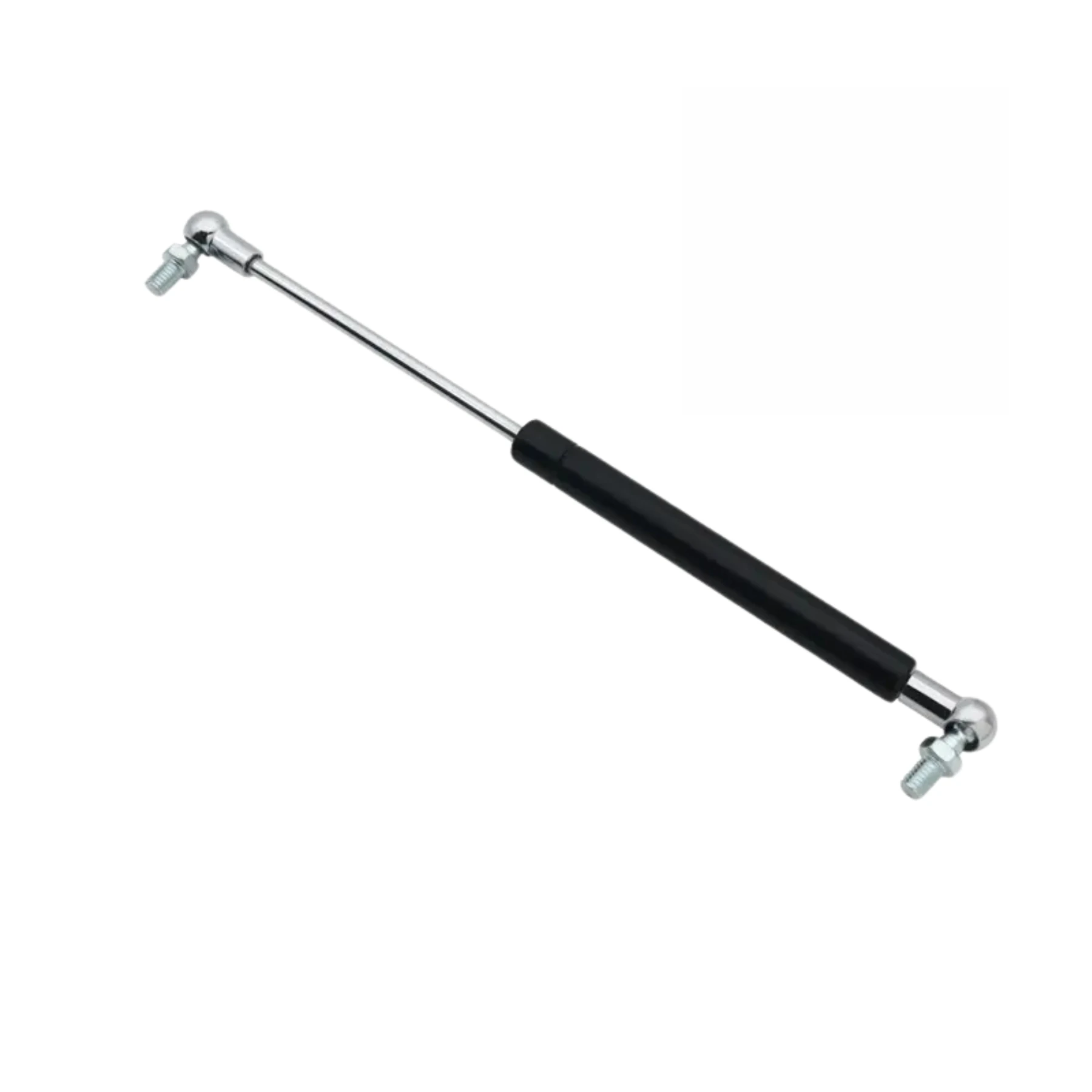
Features
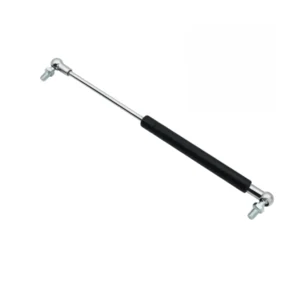
Gas Spring for Printer is available from YOUVSKEY. Review its features, technical details and handling guidance below to check suitability for your application.
- In addition to lifting, gas springs act as subtle shock absorbers.
- This gas springs are built to industrial standards, specifically designed for the heat and chemical exposure of a print shop environment.
- The environment inside a DTF printer can be corrosive due to ink vapors and humidity.
- To prevent pressure loss, our springs use a sophisticated multi-vane internal seal.
- Most printer frames use standard ball-stud mounts.
- Gas springs are wear-and-tear items.
- Check the "Lift" Strength: If you find that you have to use more force to open the lid, or if the lid starts to "droop" over time, the internal pressure is low.
- Don't wait for a heavy lid to fall on your hands or your printhead.
Specifications
| Product | Gas Spring for Printer |
|---|---|
| Brand | PRINTIUM |
| SKU | SP-P604-0009 |
| Gas Type | High-Purity Nitrogen |
| Body Material | Heavy-Duty Steel with Powder Coating |
| Piston Finish | Black Nitride / Chrome Plated |
| Fitting Type | 10mm Ball Socket (Standard) |
| Operating Temp | -20°C to +80°C |
| Service Life | 50,000+ Full Cycles |
Instructions
- Gas springs are wear-and-tear items. Over several years, the internal seals may slowly allow gas to escape. To keep your printer safe, follow these tips:
- Inspect for Oil Leaks: A small amount of oil on the piston rod is normal for lubrication. However, visible dripping means the seal has failed. If you see an oil leak, replace the spring immediately.
- Check the "Lift" Strength: If you find that you have to use more force to open the lid, or if the lid starts to "droop" over time, the internal pressure is low.
- Keep the Rod Clean: Dust and ink mist can settle on the piston rod. If this debris is pulled into the seal, it will cause a leak. Wipe the rod with a dry, lint-free cloth once a month.
- Always Replace in Pairs: Most printers use two gas springs (left and right). If one fails, the other is usually close behind. Replacing both ensures balanced pressure and prevents the lid from twisting or warping.
Use these product-specific notes together with the supplied equipment manual and product label. Confirm compatibility and perform a small test before production.
Reviews
There are no reviews yet.